


Can You Bring Tulip Bulbs Home From Amsterdam in Your Suitcase?
You just spent a week staring at tulips. Now you're standing at a market stall in Amsterdam, holding a paper bag of bulbs and wondering one simple thing. Will these make it past customs, or will they end up in a bin at the airport?
Good news first. Yes, you can usually fly home to the US with Dutch tulip bulbs. But there's a catch, and it comes in the form of a small numbered label. Let's walk through what you need, how to pack them and what to do once you're home.
The Short Answer Is Yes, With Paperwork
Flower bulbs count as plants for planting. That puts them in a stricter category than a wheel of Gouda or a box of stroopwafels.
What the USDA Actually Allows
According to the USDA's traveler rules, you can hand carry up to 12 bare-rooted plants with no soil. Each one needs a phytosanitary certificate from the plant protection agency of the country you're leaving. That certificate says the plants are free of pests and diseases.
Once you hit 13 or more, the rules change. You'd need an import permit, and the plants would have to be shipped to a USDA inspection station instead of riding in your bag.
Why Customs Takes Bulbs So Seriously
It can feel like overkill for a handful of tulips. But a bulb is a living thing, and it can carry hitchhikers like mites, fungi or soil-borne disease. One bad batch could hurt American growers.
That's why CBP's agriculture guidance asks every traveler to declare plants, seeds and soil. Declaring is the smart move even when your bulbs are fully certified. If an item can't come in, it simply gets taken.
Tulip Season Cruises and the Bulb Shopping Temptation
Here's when most people run into this question. Spring is peak tulip time, and that's when visitors pour into Holland. Many of them arrive by river.
Tulip season cruises have become one of the easiest ways to see the bloom without renting a car or juggling train tickets. Celebrity River Cruises, for example, plans its spring river itineraries around the flowers. Its sailings start in Amsterdam or Brussels, with stops at Keukenhof, the Kinderdijk windmills, Delft and Belgian towns like Bruges and Ghent. Viking and Avalon run their own versions too, so you'll find plenty of company on the water each April.
The problem is that every one of those stops comes with a gift shop. And nearly every gift shop sells bulbs. After a few days of tulip fields, a bag of "Queen of Night" bulbs starts to look like the perfect souvenir.
It can be. You just have to buy the right bag.
How to Spot a Certified Bulb Pack
Not every bulb sold in Amsterdam is meant to leave Europe. Some packs are made for local gardeners only. So before you pay, flip the package over.
Look for the Export Label
US-ready packs usually carry a label or tag that says they're approved for the United States, along with a numbered certificate of inspection. Shops that sell to tourists often keep these packs in a separate section. They may cost a little more, and that's normal.
Ask Before You Buy
If you don't see a label, just ask the seller. Vendors at the Bloemenmarkt in Amsterdam hear this question all day long. If they shrug, keep walking.
Keep the Paperwork With the Bulbs
Don't toss the certificate in the hotel trash with the receipt. The paperwork has to travel with the bulbs. Tape it to the bag if you have to.
Packing Bulbs in Your Suitcase
Bulbs are tougher than they look, but they still hate three things. Heat, moisture and getting crushed.
Here's how to keep them happy on the trip home.
- Keep them in their original packaging. It's breathable, and it keeps the label visible for inspection.
- Skip the plastic bags. Sealed plastic traps moisture, and moisture turns bulbs into mush.
- Pack them near the top. You may need to show them to an officer, so don't bury them under three pairs of shoes.
- Use your carry-on if you can. Cargo holds can get cold, and you don't want the bag squeezed by a heavy suitcase.
- Keep them away from fruit. Apples and bananas give off ethylene gas, which can damage the flower bud inside the bulb.
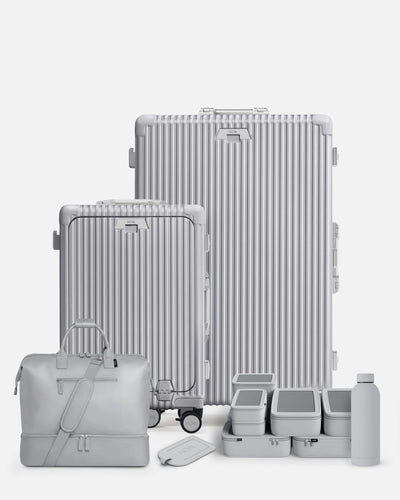
A hard-shell carry-on with an interior divider works well here. It keeps the bulbs from getting crushed and leaves them easy to reach at the inspection desk.
What Happens When You Land
On your customs form or at the kiosk, answer yes to the question about plants. Then follow the agriculture lane if you're directed there.
An officer may look at the bulbs and check the certificate. If everything matches, you'll be on your way in a few minutes. If something's off, the bulbs stay behind, but you keep your dignity and your wallet.
Getting Them in the Ground Back Home
Here's the part many travelers don't expect. If you buy bulbs in April, you won't plant them in April.
Tulips are a fall job. The bulbs you see blooming at Keukenhof were planted the autumn before. The park puts in roughly 7 million of them each year, all by hand.
Your little bag will follow the same schedule. Spring-flowering bulbs need a long cold spell before they bloom. MU Extension says they need 10 to 14 weeks of cool temperatures to flower.
So store your bulbs somewhere cool, dry and dark until fall. A paper bag in a garage or basement works fine. Then plant them once the soil cools down.
As for depth, Kansas State horticulturists suggest about 6 inches for tulip-size bulbs. Point the tip up, water them in, and forget about them until spring.
Final Words on Bringing Tulip Bulbs Home
So, can you bring tulip bulbs home from Amsterdam in your suitcase? Absolutely, as long as you buy certified packs, keep the paperwork with them and declare them when you land.
Stick to a dozen or fewer, pack them gently and plant them in the fall. Next spring, you'll have a little piece of Holland blooming in your own yard, and a story to go with it.
