


Why Your Face Feels Tight After Every Long-Haul Flight
You step off a 12-hour flight, catch your reflection in the airport bathroom mirror and wince. Your cheeks feel like paper. Your forehead is flaky in one spot and oddly shiny in another. And no amount of splashing water seems to fix it.
If that sounds familiar, you're not imagining things. That tight, stretched feeling has a very real cause, and it starts the moment the cabin door closes. The good news is that a few small changes to how you pack and what you do on board can make a big difference.
Blame the Air, Not Your Skin
Your skin isn't suddenly failing you. It's reacting to one of the driest places you'll ever spend half a day.
How Dry Is a Plane, Really?
Very. The UK Civil Aviation Authority says cabin air has about 20% humidity, compared with roughly 40 to 60% in a typical office on the ground. On long flights, it can drop even lower. The CDC's Yellow Book puts cabin humidity at usually 10 to 20%.
For context, that is drier than most homes ever get. And you're sitting in it for hours, breathing it, blinking in it and letting it pull moisture from every inch of exposed skin.
Why the Tight Feeling Shows Up Later
Your skin has a protective outer layer that holds water in. In very dry air, that water evaporates faster than your body can replace it. The surface loses its bounce, fine lines look deeper and the skin starts to feel tight, especially around the cheeks and mouth.
Then there's the rebound. When skin gets too dry, some people notice extra oil in the T-zone. So you can land feeling dry and greasy at the same time, which feels deeply unfair.
Why a Luxury Face Cream Earns a Spot in Your Personal Item
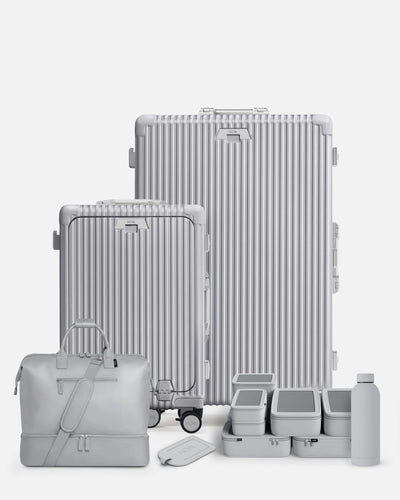
Most travelers pack skincare in their checked bag and forget about it until the hotel. That's backward. The cabin is where your skin needs help most, so your best moisturizer should ride up front with you. Your personal item is the one bag you can actually reach mid-flight, so that’s where it belongs. Just check the luggage size limits for international travel first, since personal item rules vary by airline.
This is where a richer formula makes sense. A thin gel that works fine at home can disappear fast at cruising altitude. Comfort Zone, the Italian skin science brand with spa roots, makes a luxury face cream for nearly every need, from the cushiony Hydramemory Rich Sorbet Cream to the soothing Remedy Defense Cream for sensitive skin. Brands like La Mer and Sisley Paris also make plush, travel-worthy creams, but the idea is the same with any of them. Pick something with real staying power and keep it within reach.
Look for a cream rather than a light lotion. Ingredients like hyaluronic acid pull water into the skin, while richer oils and butters help seal it in. Fragrance-free is a smart choice too, because stressed skin tends to be more reactive.
Your Long-Haul Skin Routine, Hour by Hour
You don't need a ten-step routine on a plane. You need a few smart moves at the right time.
Before You Board
The night before, give your skin a head start with a slightly heavier layer of moisturizer than usual. Then start the travel day with clean, well-moisturized skin. Skip heavy foundation if you can, because makeup tends to cake and settle into dry patches over a long flight.
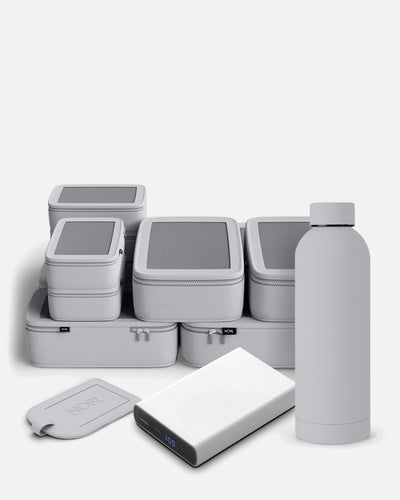
If you're flying carry-on only, keep liquids in check. The TSA's liquids rule allows containers of up to 3.4 ounces in a single quart-size bag. Creams count as liquids here, so a travel size or a small refill pot is the way to go.
In the Air
Once you're at cruising altitude, wash your hands and apply a thin layer of cream to your face and neck. Reapply every few hours on a long flight, or whenever your skin starts to feel tight.
A few other habits help:
- Use a facial mist, then seal it. Mist alone can evaporate and leave skin drier, so always follow with cream.
- Go easy on alcohol and salty snacks. Both can leave you feeling puffy and parched.
- Drink water steadily. It won't fix your skin on its own, but it helps you feel better overall.
- Don't forget your lips. A balm keeps them from cracking by the time you land.
After You Land
The first shower at your hotel is your chance to reset. The American Academy of Dermatology suggests keeping showers to five to ten minutes in warm water. Apply moisturizer while your skin is still damp, and choose a cream or ointment over a lotion, since they add more moisture.
Resist the urge to scrub away flakes on day one. Exfoliating dry, irritated skin usually makes it angrier. Give it a night of good moisture first.
Little Mistakes That Make It Worse
Even careful travelers fall into a few traps. Watch out for these.
Relying on Hand Sanitizer Wipes
They're great for tray tables. They're not great for your face. Many contain alcohol, which strips moisture fast.
Sleeping With the Air Vent Pointed at You
That steady stream of dry air hits your face for hours. Turn it toward your body or away from you if you're planning to sleep.
Packing Only Sample Sizes
Those tiny foil packets are cute, but one rarely covers a whole flight. Bring a proper travel pot so you're not rationing cream over the Atlantic. And if you’re traveling carry-on only for the whole trip, here’s how to pack a carry-on for a week without squeezing out your skincare.
Wearing Contacts on an Overnight Flight
Dry air doesn't stop at your skin. Your eyes feel it too, and contact lenses can turn a long night into a scratchy one. If you plan to sleep, switch to glasses before takeoff and keep rewetting drops in your seat pocket.
Final Words on Flying Without the Tight-Face Feeling
That stretched, papery feeling after a long-haul flight isn't a sign that your skincare is failing. It's simply what extremely dry air does to skin.
Pack a rich cream in your personal item, reapply during the flight and treat your skin gently once you land. Do that, and the face in the airport mirror will look a lot more like you, and a lot less like a raisin.
